Efterspørgsel efter vasketøj på brugsstedet
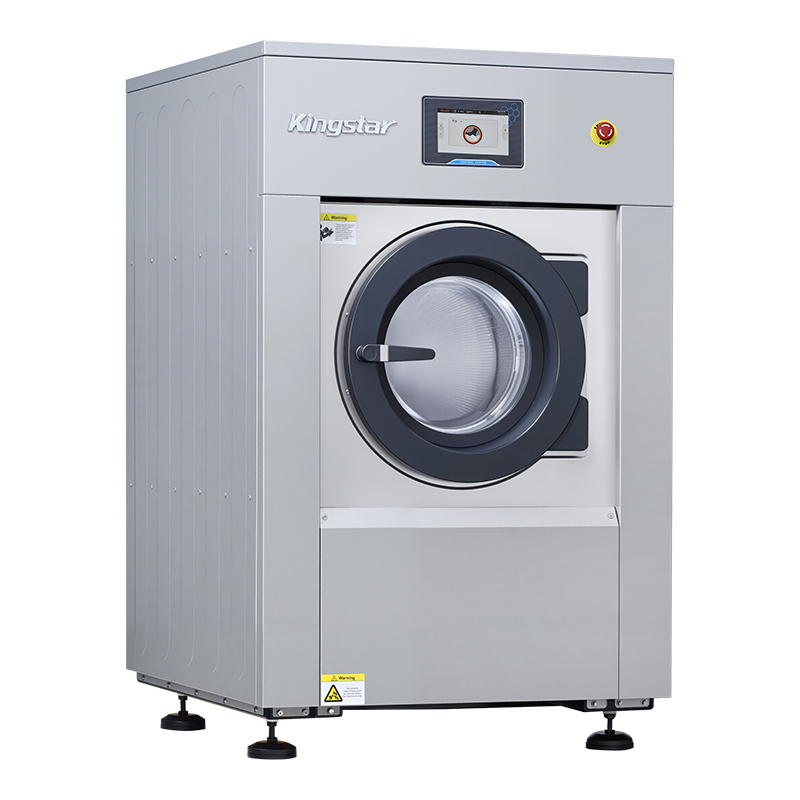
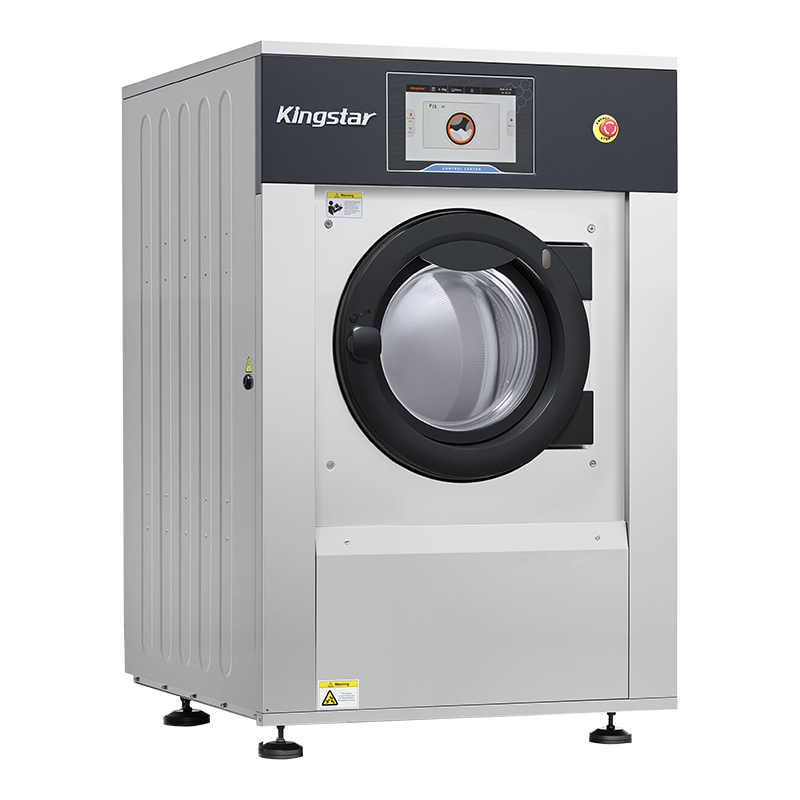
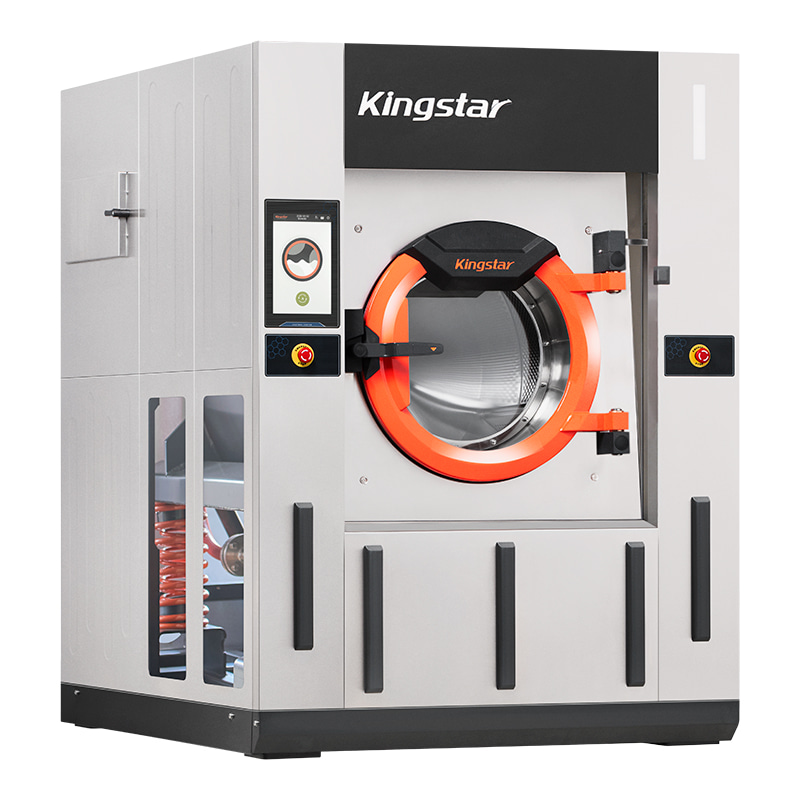
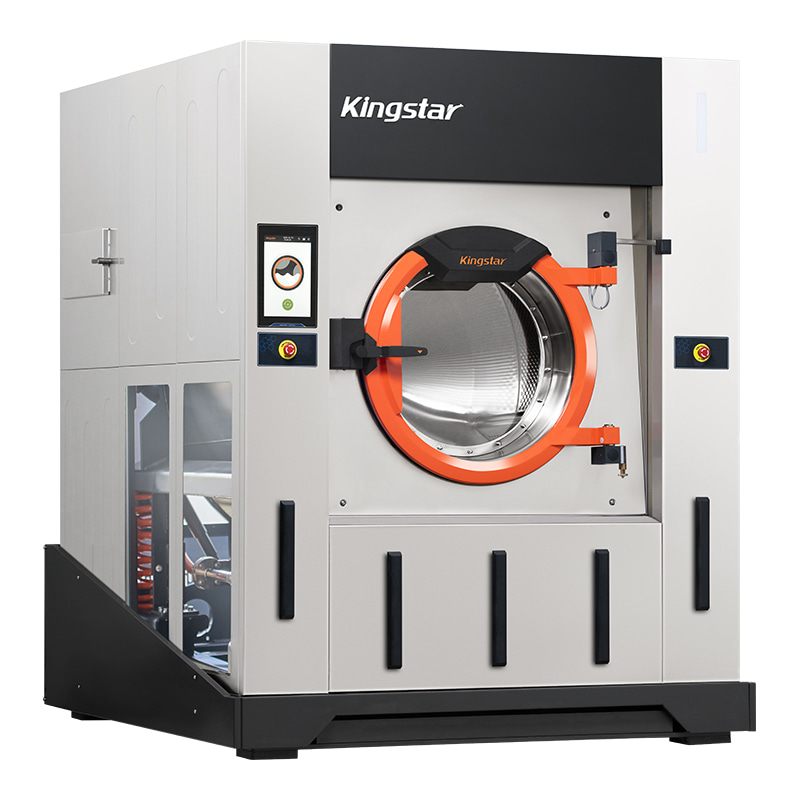
Ved valg af kapacitet på en industriel opvaskemaskine , bør det faktiske vaskebehov vurderes først. The 40kg capacity is suitable for places such as small and medium-sized hotels, nursing homes, and small laundries where the daily laundry does not exceed 300 kg; 60kg is suitable for medium-sized hotels, hospital departments, unit logistics, and other units that have stable washing tasks every day but do not belong to high-frequency assembly lines; and 100kg capacity is usually used in professional washing plants, large hospital laundry centers, linen centralized washing companies, etc., which handle a large number of linens, quilts, uniforms, etc. every day. At forstå enhedens daglige udskiftningsfrekvens, type og vægt er forudsætningen for et rimeligt valg.
Udstyrs brugsfrekvens og arbejdsintensitet
Udstyr med forskellig kapacitet har også forskellige bæreevner med hensyn til arbejdsfrekvens. A 40kg washing machine is more suitable for scenarios where it is used for no more than 5 to 6 hours a day, while 60kg and 100kg equipment are more suitable for places with continuous operation and high-frequency batch processing. If the equipment needs to run continuously for 8 hours or even longer, 60kg or 100kg models should be given priority to reduce equipment wear and extend service life. In addition, it is also necessary to pay attention to whether there are concentrated washing peaks, such as hotel check-out time or after shift handover in the hospital, which may determine the required capacity.
Pladsplads og installationsforhold
Efterhånden som kapaciteten af industrielle vaskemaskiner øges, stiger volumen og vægten tilsvarende. 40 kg-modeller optager generelt et lille område og er velegnede til vaskerier med begrænset plads; 60 kg-modeller optager medium plads og er velegnede til de fleste mellemstore logistikenheder; 100kg equipment requires a larger site and sufficient load-bearing foundation, and some models also require additional shock-absorbing foundations. Before purchasing, you should confirm whether the water, electricity, drainage, and exhaust conditions match the selected capacity, and evaluate whether the site can meet the installation requirements and daily operation space.
Matching af vand- og elressourcer
Der er store forskelle i vand- og elforbrug for industrielle vaskemaskiner af forskellig kapacitet. 40kg equipment generally uses ordinary power to meet the requirements, while most 100kg equipment uses three-phase electricity, which requires the unit to have industrial power access conditions; in terms of water use, the single water consumption of 100kg models is much higher than that of small-capacity equipment, and it is necessary to confirm whether the site water supply capacity and drainage pipe diameter meet the needs. If water and electricity resources are tight, you should carefully choose large-capacity equipment, or consider running in batches to reduce the operating load.
Typer og materialer af vasketøj
Når du vælger kapacitet, skal du også overveje typen af vasketøj. For eksempel bruger badecentre, hoteller osv. hovedsageligt håndklæder og lagner, og sengetøj er nemt at stable. 40 ~ 60 kg modeller kan opfylde almindelige behov; but if the unit involves washing heavy fabrics (such as bathrobes, work clothes, floor mats, curtains, etc.), it is recommended to configure 60kg or 100kg equipment to prevent overload or insufficient dehydration due to the concentrated weight of linens. When the types of clothing are more diverse, you can flexibly handle them by matching equipment with different capacities to improve work efficiency.
Omkostningsbudget og langsigtet brugsplanlægning
The equipment procurement cost is proportional to the capacity, and the operating cost (such as electricity, water, and labor) also increases with the increase in capacity. If the unit plans to use the laundry equipment for a long time and stably, it should comprehensively consider the purchase cost, operation and maintenance cost, and later parts replacement cost. For enheder med lille efterspørgsel er det mere økonomisk at vælge modeller på 60 kg og derunder; for laundry factories with large output and high labor costs, although large-capacity equipment has a large initial investment, it can reduce the overall cost in long-term use by reducing shifts and labor input.
Koordinering med andet vaskeri procesudstyr
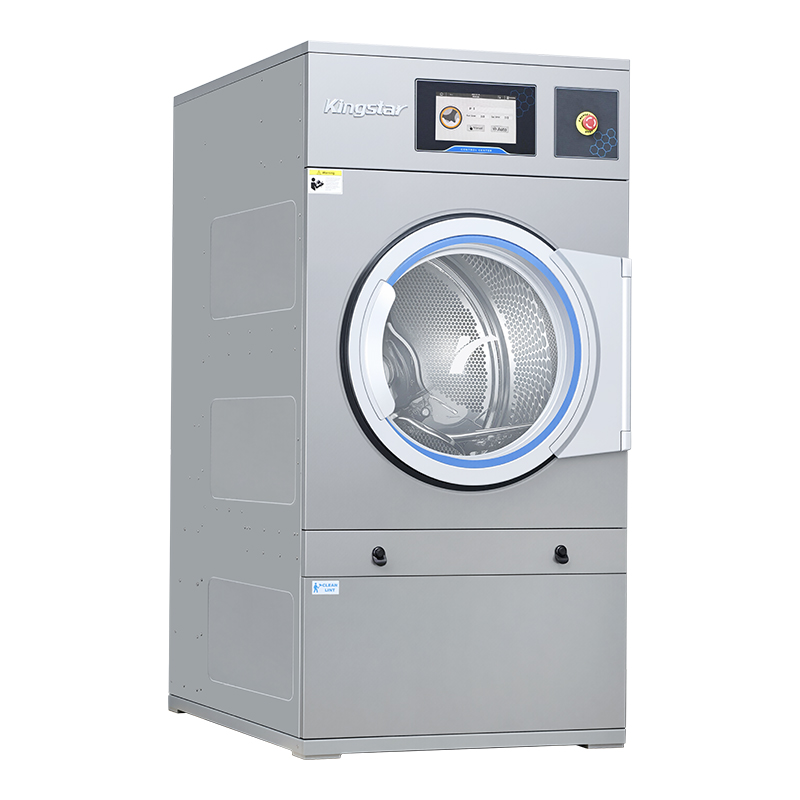
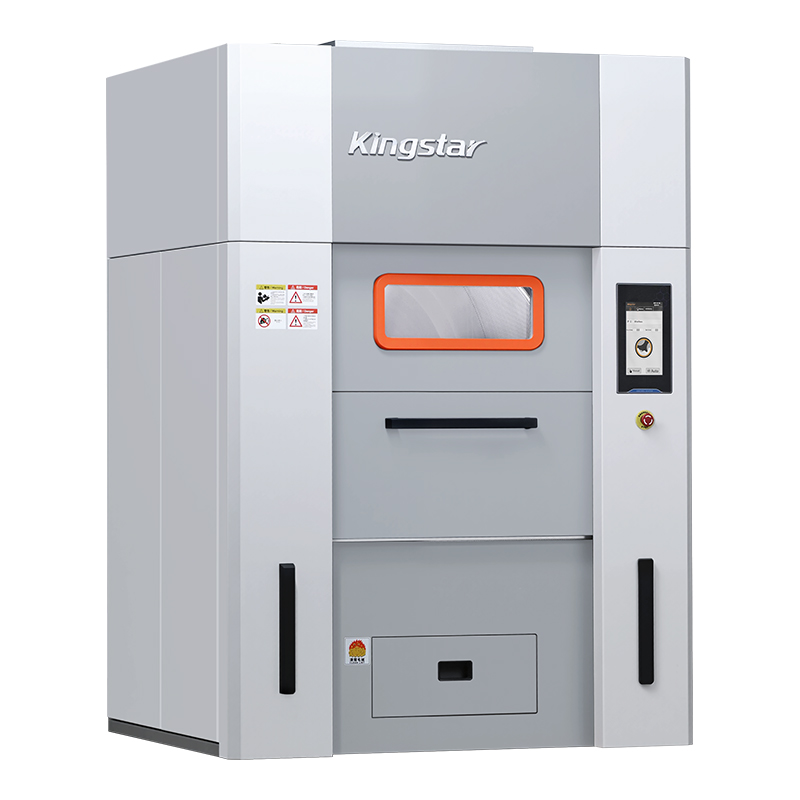
Industrial laundry equipment is often used in conjunction with dryers, ironing machines, folding machines, etc. The equipment capacity should match other process equipment. For example: if the washing machine is 100kg and the dryer capacity is only 50kg, it may lead to insufficient processing capacity in the subsequent process and form a process bottleneck. Therefore, when choosing the capacity of the washing machine, it should not be considered in isolation, but the matching degree of the equipment in the entire laundry system should be evaluated to improve the overall operating efficiency and the turnover speed of the linens.
Skalerbarhed og fremtidige efterspørgselsændringer
Enheden bør også reservere en vis mængde overflødig plads ved valg. If the business volume is expected to increase in the future (such as adding beds and expanding the business scope), it is recommended to appropriately increase the equipment capacity based on the current demand. For example, if a hotel that originally only needs a 40kg model plans to add floors, it can consider directly equipping a 60kg model to reduce the additional costs of repeated purchases and adjustments to equipment in the future.
Operatører og ledelsesevner matcher
Jo større kapacitet, jo højere krav til drift og ledelse. 100 kg-modeller kræver normalt, at professionelle operatører mestrer standarddriftsprocedurer og sikkerhedsbestemmelser; mens 40 kg-modeller er relativt enkle at betjene, og almindelige medarbejdere kan komme i gang efter kortvarig træning. If the unit's operators have high mobility or limited technical level, ease of operation and safety should be considered comprehensively to avoid increased failure rates or hidden dangers caused by misoperation due to complex equipment operation.
Sikkerheds- og eftervedligeholdelsesfaktorer
Large-capacity industrial washer extractors generate large inertia and noise during operation, and have higher requirements for site structure, noise control and safety management. In terms of maintenance, large-capacity models rely more on professional after-sales teams for inspection and maintenance, especially key components such as bearings, transmission systems, and shock-absorbing structures. When choosing, the manufacturer's after-sales service capabilities should be combined to ensure that the subsequent maintenance is timely and reliable.
TILFØJ:No.388 Xinggang Road, Chongchuan-distriktet, Nantong City, 226000, Jiangsu-provinsen, Kina.
Telefon: +86-13917089379
Tlf.:+86-13917089379
Fax:+86-0513-85663366
E-mail:[email protected]
Cookies giver dig en personlig oplevelse, Сookie-filer hjælper os med at forbedre din oplevelse ved at bruge vores hjemmeside, forenkle navigation, holde vores hjemmeside sikker og hjælpe med vores markedsføringsindsats. Ved at klikke på "Accepter" accepterer du lagring af cookies på din enhed til disse formål. Klik på "Juster" for at justere dine cookie-præferencer. For mere information, se vores Cookiepolitik.